Safe Return to School
A media release by Kidsafe Tasmania urges families to prioritise road safety as children return to school
Kidsafe Tasmania is reminding parents and carers to take time now to think about road safety as children prepare to return to school.
Whether children are travelling by car, walking, riding, or using public transport, there are important safety considerations that should be discussed with children before the school year begins.
“Back-to-school routines can be busy, but it’s critical that families pause and talk with children about how they will get to and from school safely,” said Jenny Branch-Allen, CEO of Kidsafe Tasmania.
“For children who are starting school for the first time, or attending a new school, these conversations are especially important. Roads, crossings, bus stops and drop-off zones may be unfamiliar, and children need guidance and practice to build confidence and awareness.”
Kidsafe Tasmania encourages families to:
- Talk with children about their daily journey to and from school
- Discuss safe places to cross roads and the importance of using crossings
- Reinforce safe behaviour around buses, cars, and school drop-off zones
- Remind children about wearing helmets correctly if riding bikes or scooters
Families are also encouraged to do a “dry run” of the school journey before term starts.
“Walking or driving the route together helps children understand what to expect and gives parents the chance to point out potential hazards along the way,” Ms Branch-Allen said. “It’s a simple step that can make a big difference.”
Kidsafe Tasmania reminds drivers to slow down around schools, obey school zone speed limits, and remain alert during drop-off and pick-up times.
“Road safety is a shared responsibility,” Ms Branch-Allen said. “By planning ahead and having these conversations early, families can help ensure children start the school year safely and confidently.”
For more information and child safety resources, visit Kidsafe Tasmania www
Media contact:
Jenny Branch-Allen 18th January 2026
CEO, Kidsafe Tasmania M: 0417381721
How drivers can reduce the risk of accidents to children arriving at school and leaving
It’s important to remember the importance of safety going to and from school. This is everyone’s responsibility.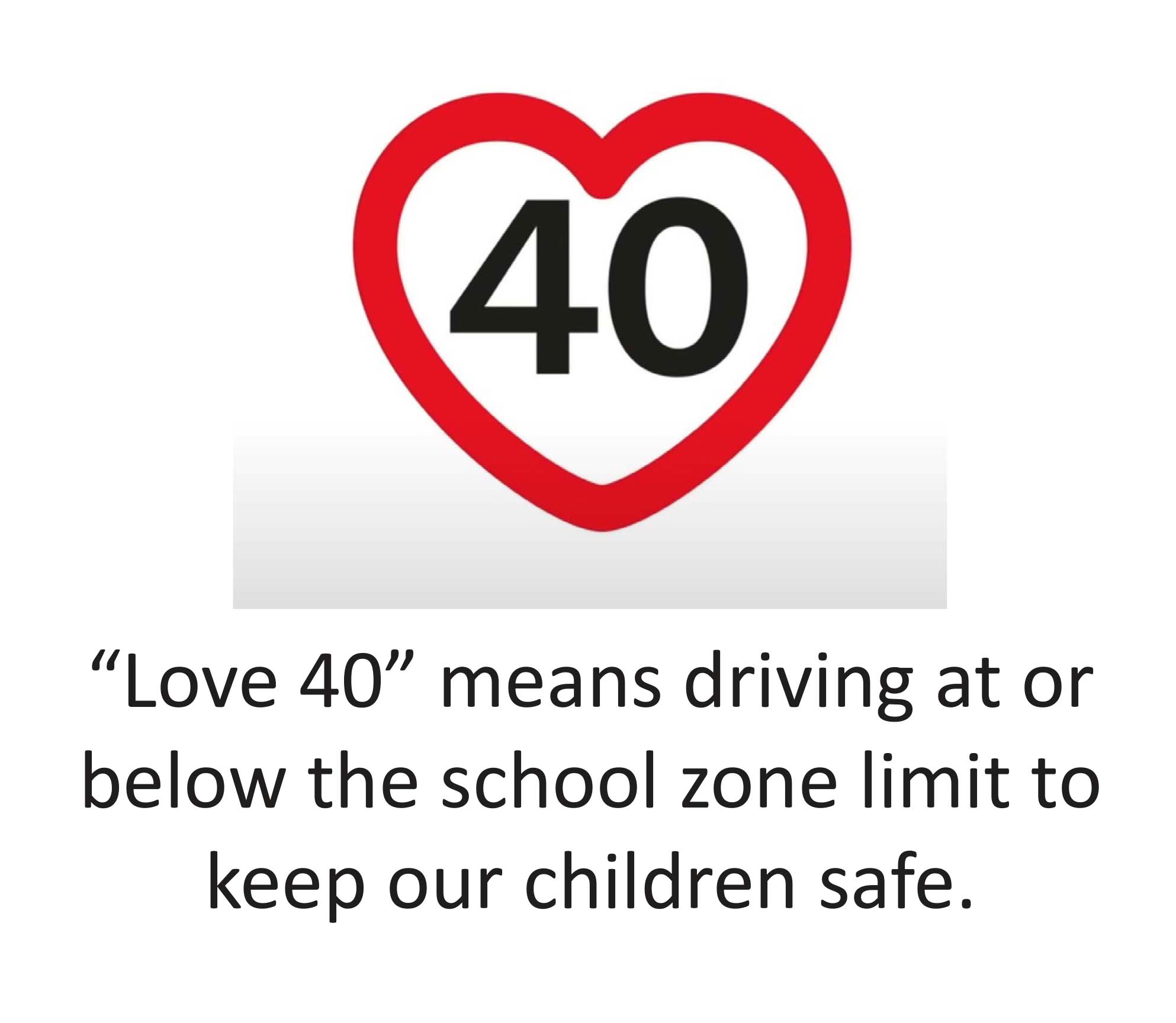
We want to remind drivers about slowing down around schools and school crossings. Kidsafe Tasmania fully supports the Governments LOVE 40 strategy and lowering of speed around schools is the most effective way to reduce the risk of accidents.
Crossing Guards
- Some crossings have crossing guards and Kidsafe asks drivers and pedestrians to respect and obey instructions given by the guards.
- Children respond to the instructions of the crossing guard and trust the signals given when it is safe to cross.
Safest places to park
It can be a good idea for parents to do a dry run to school, as it’s important to be familiar with the safest places to park and the safest places for kids to cross the road.
Tips for drivers :
- Always stop for a school crossing guard holding up a stop sign
- Take extra care to look out for children in school zones and in all residential areas where children are walking to school.
- Don't beep your horn or rev up your engine to scare a pedestrian, even if you have the right of way
- Never pass a vehicle stopped for pedestrians in a school zone
- Children move quickly are not always aware of vehicles like adults
Road safety and pedestrian safety for 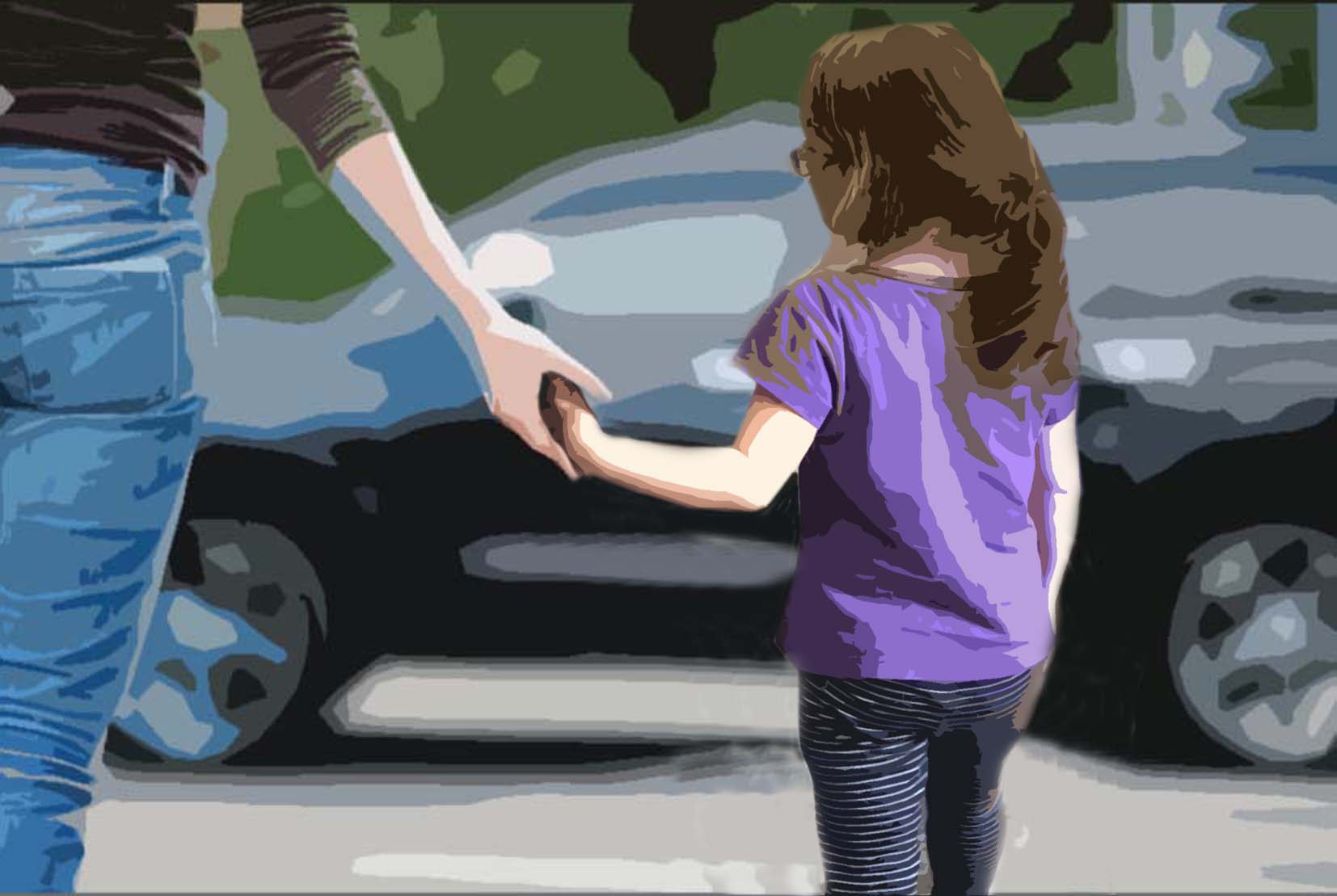
kids going to school
Returning to school after being in lock down might be quite daunting for some young people, said Kidsafe Road Safety Manager Peter Gillon.
Here are some important things for you to know and somethings to share with your child about good road safety practise:
Up to 5 years old
Think about what your child can see. Their peripheral vision is still not fully developed.
- Remember they are a lot shorter than you and can see less on the road.
- Always hold their hand.
- Explain what you are doing when crossing the road.
- Do a practise run, especially if they are starting a new school or it is their first day at school.
- Get kids out of the car on the kerb side.
- Ask your teacher if the school teaches road safety.
From 5 to 9-year-old
- Always supervise your child near traffic, particularly when crossing the roads.
- Teach your child how to walk across roads safely. Children must first stop at the kerb. They need to look and listen for traffic, wait for vehicles to stop before deciding if it is safe to cross. (STOP, LOOK, LISTEN and THINK)
- Make the trip to school together along the safest route and use safe crossing places as an example for your child to follow.
- Arrange for your child to be supervised on the way to and from school, and during or after school activities if you are unable to be there.
- Explain words like “fast”, “slow”, “near” and “far”. Talk about signs and traffic lights and the safe places to cross. Point out dangerous places and where not to cross- near curves and where things might hide children from view.
- Never call children from the other side of the road.
- Make sure children get in and out of the car on the kerb side door, that is all children across the back seat.
- Wearing clothes that can be seen when walking, such as high vis colours is best.
Bike helmet
- Children under 12 to ride on footpaths.
- Remember driveways are dangerous, look before crossing.
- Make sure their helmet fits properly.
- Do the push test. If the helmet can be pushed backwards and forwards it won’t protect them. The helmet is too big.
At Kidsafe we want parents and children to have practical advice to approach everyday life safely and reduce unintentional injury in young people.
Remember its not what their doing but what we are all doing to keep our children safe. School community relationships matter. Make sure your school community is working positively together. That’s why Kidsafe works so closely with schools and is there to help.
In 2014-15 transport injuries claimed the lives of 41 children aged 5-14 years and in addition 5,506 were admitted to hospital for injuries. AIHW (2018)
For further information contact Peter Gillon, Road Safety Manager
Kidsafe Tasmania Incorporated. M: 0407 692 403